
UAE Work Visa for Pakistanis in 2026: What Changed, and What’s Just a Rumour
If you are a Pakistani planning to work in the UAE this year, you have probably seen two very different stories online: one says the door is closing, the other says nothing has changed. The truth sits in between. In 2026, the UAE tightened how it processes some applications and added new visa categories — but there is no blanket ban on Pakistani workers, and skilled applicants are still being approved. Here is the honest, sourced picture, and the safest way to actually apply.
Quick answer: UAE work visas remain open to Pakistani nationals in 2026 — UAE and Pakistani officials have publicly denied any blanket ban, and Pakistan is not on the UAE’s restricted-country list. What changed is tighter background checks, a stronger preference for skilled over unskilled workers, expanded work-permit categories, and a new pre-immigration clearance system piloting at Karachi. The safest route remains Pakistan’s OEC.
⚠️ Disclaimer: This is general information, not legal or immigration advice, and UAE rules change quickly. Always confirm the current requirements on official sources — the UAE’s MoHRE and ICP portals, and Pakistan’s Bureau of Emigration / OEC — before paying anyone or sending documents.
Why the UAE matters so much to Pakistan
The stakes here are enormous, which is exactly why rumours spread so fast. More than 1.7 million Pakistanis live and work in the UAE, mostly in Dubai and the Northern Emirates, and they send home billions of dollars every year. For a huge number of Pakistani families, a UAE job is not a luxury — it is the household’s main income. So when panic headlines appear, they hit hard. That is all the more reason to separate what is confirmed from what is noise.
First, the “ban”: what’s true and what isn’t
Late in 2025, social-media posts claimed the UAE had “banned” Pakistani nationals. Here is what the record actually shows:
- UAE and Pakistani officials publicly rejected the idea of a blanket ban. The formal position is that UAE employment visas remain open to Pakistanis, with no nationality-wide prohibition in place.
- Pakistan is not on the UAE’s restricted-country list. Reporting on the UAE’s tightened entry rules consistently places other nationalities — not Pakistan — on the nine-country restriction list.
- But the experience on the ground did get harder for some. Applicants in lower-skilled categories have reported more rejections than before, driven by stricter documentation checks and a clear tilt toward skilled workers. Concerns about visa processing were even raised in Pakistan’s own parliamentary discussions in late 2025.
So the accurate framing is not “banned” versus “open.” It is: open, but more selective — especially against incomplete paperwork and lower-skilled profiles.
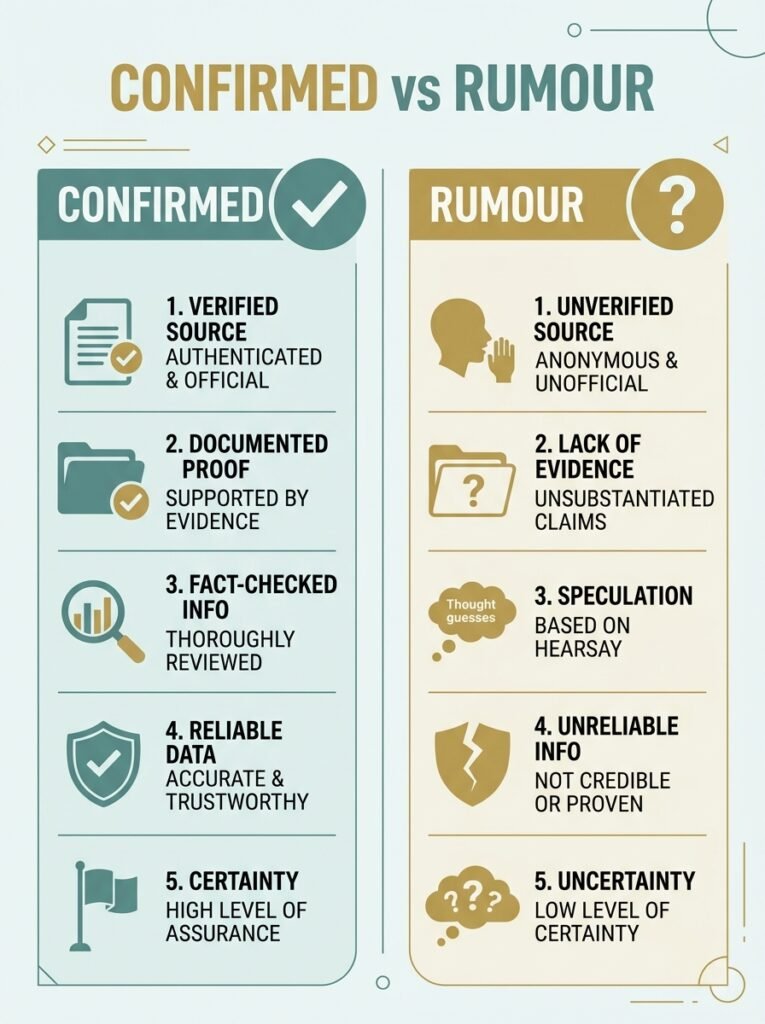
What actually changed in 2026 (the confirmed parts)
Several concrete reforms are worth knowing before you apply:
- More work-permit categories. The UAE’s Ministry of Human Resources and Emiratisation (MoHRE) expanded its work-permit system to cover a wider range of arrangements — including freelancers, part-time, temporary and specialised roles — making the labour market more flexible than before.
- Stronger wage protection. From mid-2026, private-sector employers face stricter wage-protection enforcement, aimed at making sure salaries are actually paid on time and in full. For you, that is a protection, not a hurdle.
- The Green Visa. The UAE’s Green Visa offers up to five years of residency for skilled workers, freelancers and investors without tying you to a single employer — and it lets you sponsor family. It stays valid even if you change jobs, as long as you keep meeting the criteria.
- Tighter remote-work rules. For the Remote Work (digital nomad) visa, applicants must now show six months of bank statements as proof of stable income, up from three, under a change that took effect in early 2026.
- Tighter screening generally. Reporting points to more rigorous background checks and document verification across visit and work applications — which is why complete, honest paperwork matters more than ever.
Note: some specifics circulating online (for example, claims about exact “diversity quota” percentages or a sweeping rejection “wave” on a particular date) come from single secondary sources and are hard to verify. Treat those as unconfirmed until you see them on an official channel.
The big news: pre-immigration clearance at Karachi
One development is firmly on the record and genuinely useful. On 13 January 2026, following a meeting between Pakistan’s Interior Minister Mohsin Naqvi and a UAE delegation led by Customs and Port Security chief Ahmed bin Lahij Al Falasi, the two countries agreed to launch a pre-immigration clearance system.
Here is how it is meant to work: Pakistani travellers complete UAE immigration and security checks before boarding, at their departure airport in Pakistan. On arrival in Dubai or Abu Dhabi, they are treated as “domestic” passengers and can walk straight out without queuing at UAE immigration. The pilot starts at Karachi’s Jinnah International Airport, with plans to expand to Lahore and Islamabad once it is working smoothly. Standard visa rules — a valid visa, sponsor, return ticket and accommodation proof — still apply; the system speeds up arrival, it does not replace your visa.
Who is still getting approved
The pattern in 2026 is consistent: skill and paperwork win.
- Degree-qualified and skilled professionals (roughly the higher skill levels) continue to be approved at solid rates. Engineering, IT, healthcare, finance, teaching and other white-collar roles remain accessible.
- Workers routed through Pakistan’s OEC — the government’s Overseas Employment Corporation — are among the safest, because OEC works under official supervision and holds verified quotas with UAE employers.
- Applicants with complete, verifiable documents and a genuine, registered employer are far less likely to be caught in the tighter screening.
The people struggling most are those in lower-skilled categories going through informal agents with thin documentation.
How to apply the safe way (step by step)
- Get a genuine job offer from a UAE employer registered with MoHRE. As a safety check, confirm the company is real, MoHRE-registered, and has capacity to sponsor — ideally with a reasonable number of registered employees.
- Prefer the OEC route for lower-skilled roles. It costs a documented government fee, not a mystery “package,” and gives you a paper trail if something goes wrong.
- The employer applies through MoHRE for the work permit and entry visa. A standard employment visa typically runs two years and is renewable.
- Complete the medical test — a fitness-to-work medical is mandatory in the UAE and screens for certain communicable diseases.
- Do your Emirates ID and residence-visa stamping after arrival, through your employer.
- Budget realistic timelines: once documents are complete, the employment-visa process often takes around 2–4 weeks.
Who this does NOT work for
- You have no genuine, registered employer. There is no independent UAE work visa; a UAE-based sponsor must apply for you.
- Your documents are incomplete or inconsistent. In 2026’s tighter environment, this is the fastest route to rejection.
- You are relying on an unverified agent’s “guarantee.” No agent can guarantee a UAE visa — the decision rests with UAE authorities.
- You are chasing lower-skilled work through informal channels. This is exactly the profile facing the most refusals; the OEC route is far safer.
Avoiding UAE visa scams
- Never pay for a “guaranteed” visa or a job offer. Genuine employers and the OEC do not sell approvals.
- Verify the employer is MoHRE-registered and real before sending money or original documents.
- Use the OEC / Bureau of Emigration for protected, government-supervised placement, especially for blue-collar roles.
- Be wary of upfront “processing fees” to unknown agents, payment in cash-only or crypto, and anyone who tells you to travel on a visit visa and “convert” it informally.
- Cross-check every claim against MoHRE and ICP official channels. If an agent’s story doesn’t match the official site, walk away.
Key Takeaways
- There is no blanket UAE ban on Pakistani workers — officials denied it, and Pakistan is not on the restricted-country list.
- The system got more selective in 2026: tighter checks and a clear preference for skilled over unskilled applicants.
- Confirmed 2026 changes include expanded MoHRE work-permit categories, stronger wage protection, Green Visa flexibility, and stricter remote-work income proof.
- A new pre-immigration clearance system is piloting at Karachi (from the Jan 2026 Pakistan–UAE agreement), speeding up arrival — but not replacing your visa.
- The OEC government route and complete documentation are your safest path; never pay for a “guaranteed” visa.
FAQ
1. Is there a UAE work visa ban for Pakistanis in 2026? No. UAE and Pakistani officials have publicly denied any blanket ban, and Pakistan is not on the UAE’s restricted-country list. However, checks have tightened and lower-skilled applicants report more rejections, so complete documentation and a genuine employer matter more than ever.
2. Who is still getting UAE work visas from Pakistan? Skilled and degree-qualified professionals — in fields like IT, engineering, healthcare, finance and teaching — continue to be approved at solid rates, especially those with complete documents or who apply through Pakistan’s OEC.
3. What is the UAE pre-immigration clearance system? Under a January 2026 Pakistan–UAE agreement, Pakistani travellers can complete UAE immigration checks before boarding, at their departure airport. On arrival in the UAE they exit as domestic passengers. It is piloting at Karachi and does not replace the need for a valid visa.